This is how installers actually size systems for EV + HVAC + whole-home backup scenarios.
⚡ 1. EV-ONLY HOME (no heavy HVAC load)
Typical loads:
- EV charging: 7–11 kW (steady)
- House baseline: 1–3 kW
- Occasional appliances: 2–4 kW
🧠 Real peak behavior:
- 10–14 kW continuous
- No major surge stacking
✅ Recommended inverter size:
👉 10–12 kW hybrid inverter minimum
👉 Best range: 12–15 kW
Examples:
- Sol-Ark 12K (ideal)
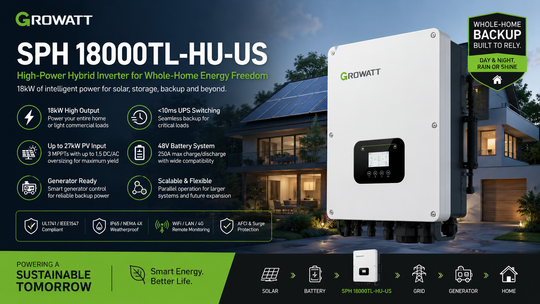
- Growatt 10–12 kW class
- Small SigenStor system
✔ Simple system, low stress
❄️ 2. HVAC-HEAVY HOME (AC is dominant load)
Typical loads:
- Central AC: 4–8 kW running
- Compressor surge: 15–25 kW (seconds)
- Pump/fan loads: 2–5 kW
- House baseline: 2–4 kW
🧠 Real peak behavior:
- 18–22 kW running
- 25–30 kW surge events
✅ Recommended inverter size:
👉 18 kW minimum
👉 Best range: 18–24 kW hybrid system
Examples:
- Sol-Ark 15K (borderline but workable)
- Sol-Ark 18K (ideal)
- Deye 18K (strong alternative)
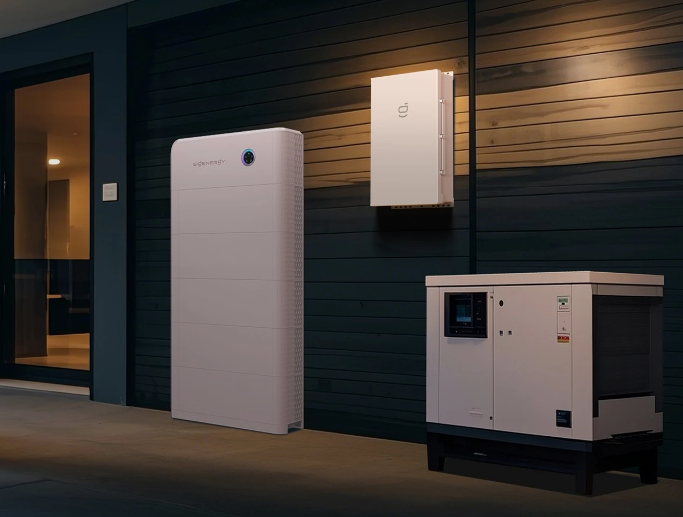
- SigenStor (best if smart load control enabled)
✔ Needs good surge handling
🔌 3. ALL-ELECTRIC HOME (EV + HVAC + dryer + kitchen)
Typical loads:
- EV: 7–11 kW
- HVAC: 4–8 kW
- Dryer: 5–6 kW
- Oven/stove: 3–8 kW
- Pumps + misc: 2–4 kW
🧠 Real peak behavior:
- 20–25 kW typical overlap
- 25–35 kW spike events
✅ Recommended inverter size:
👉 18 kW minimum (must be high-quality)
👉 Best range: 18–25 kW system
Best architecture:
- Sol-Ark 18K (most stable)
- Deye 18K (strong hardware)
- SigenStor (best load management)
- Dual inverter setup for luxury builds
✔ This is where system design matters more than kW rating
🌲 4. OFF-GRID CABIN (no grid assist)
Typical loads:
- Lights + fridge: 1–2 kW
- Water pump: 1–3 kW
- Occasional tools: 2–5 kW
- No EV or heavy HVAC usually
🧠 Real peak behavior:
- 3–8 kW continuous
- 10–15 kW surge events
✅ Recommended inverter size:
👉 6–10 kW system
Examples:
- Growatt 6–10 kW hybrid/off-grid
- Small Deye 8–10 kW
- EcoFlow/Sigen small modules
✔ Battery size matters more than inverter size here
🏡 5. LUXURY ESTATE (multi HVAC + EV + pool + large loads)
Typical loads:
- Multiple HVAC units: 10–20 kW
- EV charging (2 cars): 14–22 kW
- Pool pump + spa: 3–8 kW
- Kitchen + appliances: 5–10 kW
🧠 Real peak behavior:
- 25–40 kW continuous possible
- 40–60 kW surge stacking possible
✅ Recommended inverter size:
👉 Minimum: 25–30 kW system
👉 Ideal: 30–50 kW modular system
Best architecture:
- 2 × Sol-Ark 18K (36 kW system)
- Deye parallel 18K units
- SigenStor modular stack (best scalability)
✔ This is where parallel systems win
📊 MASTER SUMMARY TABLE
| House Type | Real Peak Load | Recommended Inverter |
|---|---|---|
| EV-only | 10–14 kW | 10–12 kW |
| HVAC-heavy | 20–30 kW spikes | 18–24 kW |
| All-electric home | 25–35 kW spikes | 18–25 kW |
| Off-grid cabin | 5–15 kW | 6–10 kW |
| Luxury estate | 40–60 kW peaks | 30–50 kW system |
🧠 KEY INSIGHT (MOST IMPORTANT)
❗ You do NOT size inverter for:
“sum of all appliances”
✔ You DO size for:
- simultaneity factor
- surge stacking behavior
- grid assist availability
- load control system intelligence
⚡ SIMPLE RULE OF THUMB
- 12 kW system → small/EV home
- 18 kW system → standard U.S. full home
- 25–30 kW system → large electrified home
- >30 kW → estate / parallel systems