A “30 kW spike home” does NOT actually need a 30 kW inverter in most real-world designs. That’s the key misconception.
What matters is how long the spike lasts and how it’s distributed across loads.
⚡ 1. First principle: spikes vs continuous load
A 30 kW “spike” usually looks like this:
- EV charger: 7–11 kW (steady)
- Dryer: 5–6 kW (steady)
- HVAC compressor: 3–6 kW running + 15–25 kW short surge (seconds)
- Pump / motor: 1–3 kW + high inrush
- House baseline: 1–3 kW
👉 But they rarely all peak at the same exact millisecond for long duration.
So the system sees:
- Continuous load: ~10–18 kW typical
- Short surge stacking: 25–30 kW for seconds only
🧠 2. Why 18 kW systems still work
An 18 kW hybrid inverter (like Sol-Ark 18K or Deye 18K) works because of three hidden layers of support:
(1) Battery + inverter surge buffer
Most 18 kW systems can deliver:
- ~30–36 kW surge for 5–10 seconds
👉 That covers:
- AC compressor startup
- pump startup
- dryer heater ramp
- EV handshake fluctuations
(2) Grid assist (if available)
If grid is connected:
- inverter never truly hits overload
- grid supplies missing peak instantly
👉 So the inverter is NOT carrying full 30 kW alone
(3) Load diversity (the real reason)
Loads don’t perfectly overlap:
- EV charging is steady
- HVAC surge is short
- dryer cycles on/off
- pumps are intermittent
👉 Real overlapping peak duration is usually <5 seconds
⚡ 3. So how many kW do you actually need?
Here is the engineering sizing reality:
🟢 Grid-connected home (most US homes)
| Scenario | Required inverter size |
|---|---|
| 30 kW spike home | 12–18 kW inverter is enough |
| Recommended | 15–18 kW hybrid |
👉 Why:
- grid absorbs imbalance
- battery handles short surge
- inverter never fully isolated
🟡 Hybrid backup (grid present but blackout capable)
| Scenario | Required inverter size |
|---|---|
| 30 kW spike home | 18 kW minimum (preferred) |
| Safer design | 18 kW + load management |
👉 This is where:
- Sol-Ark 18K
- Deye 18K
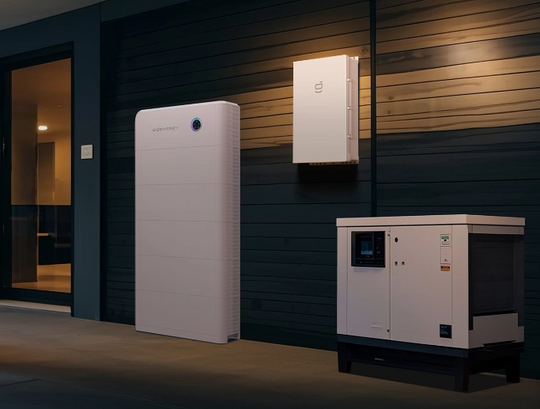
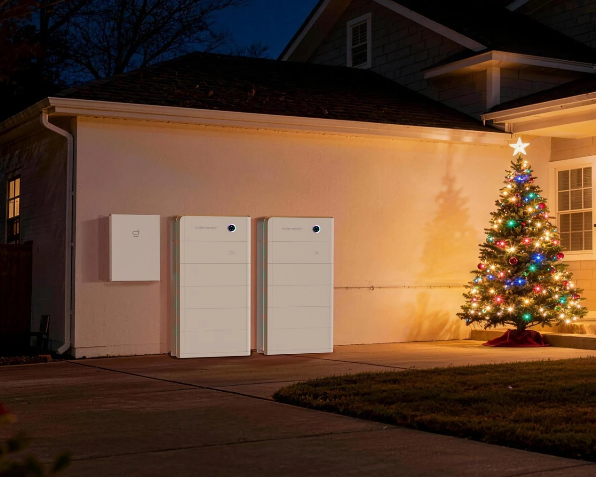
- SigenStor
all fit correctly.
🔴 Fully off-grid (worst case)
| Scenario | Required inverter size |
|---|---|
| 30 kW spike home | 25–30 kW continuous system OR parallel 18 kW units |
👉 Example:
- 2 × 18 kW in parallel (36 kW class system)
- OR large centralized 30 kW inverter system
🔥 4. Why people think they need 30 kW (but don’t)
They assume:
“All appliances at max rating = inverter must match sum”
But reality:
❌ Wrong model:
- Add all nameplate kW → 30 kW+
✅ Real model:
- diversity factor + time shifting + surge duration
Typical diversity factor:
- 0.5–0.7 for residential homes
So:
- 30 kW theoretical → 15–21 kW real requirement
⚡ 5. Where 18 kW systems start to fail
An 18 kW inverter is fine unless:
❌ True failure conditions:
- EV 11 kW + HVAC full running + dryer + pump ALL sustained simultaneously
- Off-grid (no grid assist)
- Weak battery discharge rate
- Poor load control setup
👉 Then you see:
- overload alarms
- inverter derating
- load shedding or shutdown
🏆 6. Practical sizing conclusion
🥇 Best real-world design for “30 kW spike home”
👉 15–18 kW hybrid inverter + smart load management
OR
👉 18 kW × 2 parallel system (for off-grid luxury homes)
📊 Final answer (simple)
✔ You ACTUALLY need:
- Grid-tied home: 15–18 kW inverter
- Backup-capable home: 18 kW inverter
- Off-grid extreme case: 25–36 kW system (or dual 18 kW)
🧠 Key insight
A “30 kW home” is not a 30 kW inverter problem — it is a timing + surge + load management problem
That’s why:
- Sol-Ark 18K works
- SigenStor works (via control logic)
- Deye works (hardware strength)
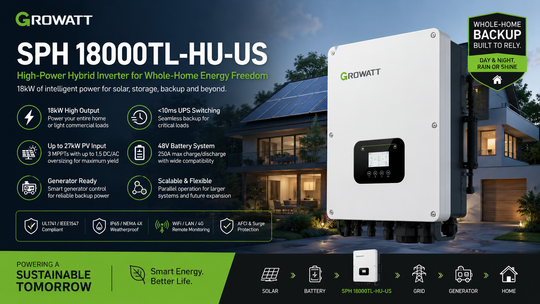
- Growatt struggles more under chaotic stacking