Below is a real 200A U.S. whole-home electrical system design optimized for EV + HVAC + dryer + pump + 25–30 kW spike tolerance, based on what actually works in field installations (not marketing diagrams).
🏠 ⚡ 200A HOME ENERGY SYSTEM ARCHITECTURE (OPTIMAL DESIGN)
🧠 System Goal
Handle:
- ✔ 25–30 kW short spikes
- ✔ 12–20 kW continuous loads
- ✔ EV charging + HVAC + full kitchen
- ✔ Backup during grid outage
- ✔ Prevent inverter overload shutdowns
🔌 1. SINGLE-LINE SYSTEM ARCHITECTURE
          GRID (200A Service)
                 │
        [ MAIN SERVICE PANEL ]
                 │
        ┌────────┴────────┐
        │                 │
 [CRITICAL LOADS]   [NON-CRITICAL LOADS]
        │                 │
   ┌────┴────┐            │
   │          │            │
[HYBRID     EV           Dryer / Pool /
INVERTER]   CHARGER     HVAC Secondary Loads
   │
   │
[BATTERY BANK]
   │
[SOLAR ARRAY]
⚙️ 2. RECOMMENDED HARDWARE STACK (REAL-WORLD BEST PRACTICE)
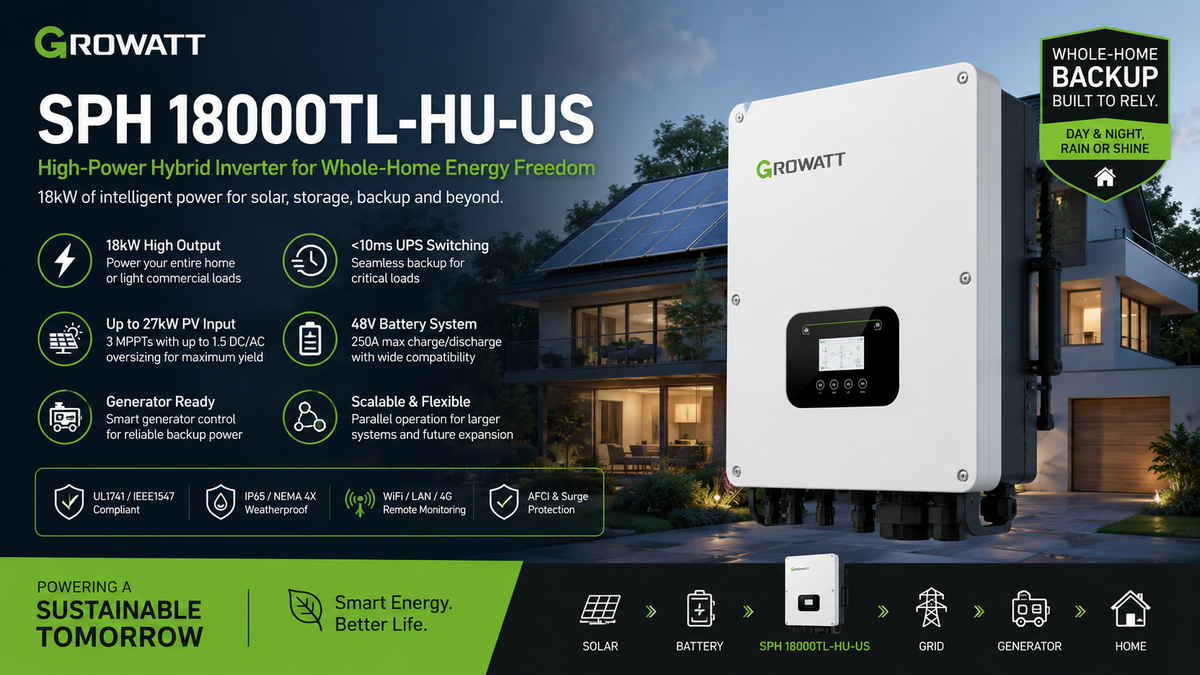
🥇 Inverter (Core Brain)
✔ BEST CHOICE (single unit)
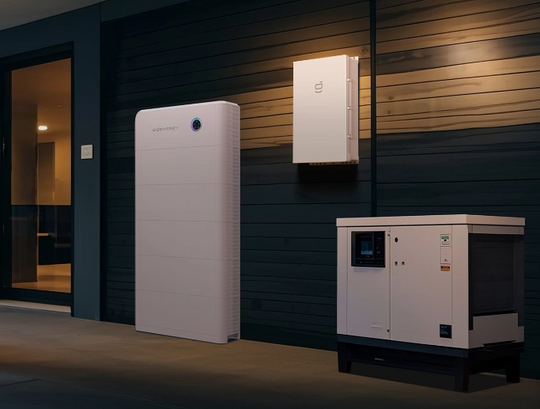
👉 Sol-Ark 18K-2P
- 18 kW continuous
- 36 kVA surge (10 sec)
- Native 200A pass-through
- Whole-home UL architecture
🥈 ALTERNATIVE HIGH-END
👉 Deye 18K (SUN-18K-SG class)
- Same electrical topology as Sol-Ark
- Slightly less US optimization
- Strong surge performance
🥉 SMART ECOSYSTEM OPTION
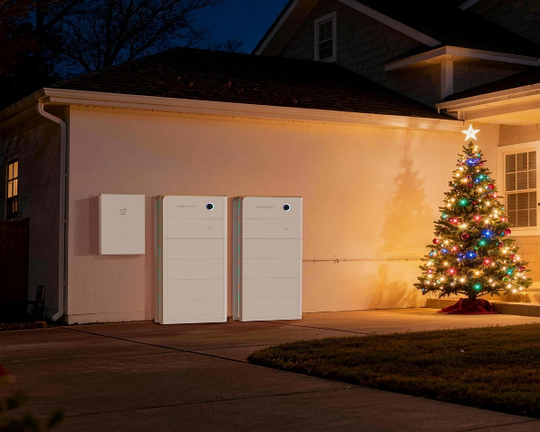
👉 SigenStor (15–25 kW modular stack)
- Not a single inverter
- Distributed energy control system
- Best EV + AI load management
🔋 3. BATTERY DESIGN (CRITICAL FOR SURGE HANDLING)
Recommended sizing for 200A home:
🟢 Minimum viable:
- 20 kWh LFP
🟡 Ideal design:
- 30–40 kWh LFP
🔴 Luxury / full independence:
- 50–80 kWh LFP stack
Battery discharge requirement:
To survive spikes:
- Must support 8–12 kW continuous discharge
- Must allow 20–30 kW short burst (inverter-assisted)
Recommended battery ecosystems:
- Sol-Ark compatible LFP (EG4 / Pytes / Fortress)
- Deye-compatible rack batteries
- SigenStor proprietary modular batteries (best integration)
☀️ 4. SOLAR ARRAY DESIGN
Recommended PV sizing:
| Home Type | Solar Size |
|---|---|
| Standard 200A home | 10–15 kW |
| EV-heavy home | 15–20 kW |
| Full electrified estate | 20–30 kW |
Wiring layout:
- 2–4 MPPT strings
- Roof split:
- South-facing (primary)
- West-facing (peak EV offset)
- Optional ground mount for expansion
🚗 5. EV CHARGER INTEGRATION (VERY IMPORTANT)
Recommended setup:
✔ Smart EV charger (must-have):
- 7–11 kW Level 2 charger
- Dynamic load balancing required
EV control logic:
Priority system:
- House loads (HVAC + appliances)
- Battery stability buffer
- EV charging throttled automatically
EV load rules:
- Default EV charging: 6–8 kW capped during peak home load
- Night mode: full 11 kW allowed
- Emergency mode: EV paused automatically
❄️ 6. LOAD BREAKDOWN PANEL DESIGN
CRITICAL LOADS PANEL (backed by inverter)
- HVAC (main compressor)
- Refrigerator
- Internet + security
- Lighting circuits
- Water pump (if critical)
👉 Total controlled load: 8–15 kW typical
NON-CRITICAL PANEL (grid-only or shed)
- Dryer
- Oven/stove (optional backup)
- Pool heater
- Secondary HVAC zones
EV PANEL (smart-controlled)
- Dedicated breaker
- Managed via EMS or inverter logic
⚡ 7. HOW THIS SYSTEM HANDLES 30 kW SPIKES
Example scenario:
| Load | kW |
|---|---|
| EV charger | 10 kW |
| AC compressor surge | 20 kW |
| Dryer | 5 kW |
| House baseline | 3 kW |
| TOTAL | 38 kW momentary |
What actually happens:
✔ Sol-Ark / Deye system:
- Battery supplies burst
- Grid assist supplements instantly
- AC surge absorbed in <1 sec
- EV temporarily throttled if needed
✔ SigenStor:
- EV charging automatically reduced
- Non-critical loads shed
- HVAC prioritized
- Smooth “invisible” balancing
🧠 8. FINAL SYSTEM SIZING (REAL ANSWER)
🥇 BEST SINGLE-INVERTER DESIGN (MOST HOMES)
👉 18 kW hybrid inverter + 30–40 kWh battery
Works for:
- EV + HVAC + full home backup
- Handles 25–30 kW spikes safely
🥈 HEAVY-DUTY DESIGN
👉 18 kW × 2 parallel system (36 kW total)
Used for:
- luxury homes
- multiple EVs
- large HVAC systems
🥉 SMART FUTURE DESIGN
👉 SigenStor modular stack (15–25 kW scalable)
Best for:
- EV-first homes
- smart grid optimization
- long-term expansion
📌 FINAL TAKEAWAY
A 200A U.S. home does NOT need a 30 kW inverter.
It needs:
✔ 18 kW inverter + battery buffer + smart load management
That is what actually survives real-world 30 kW spikes.